
Supercomputers, statistical software, and science: Bridging the gap to study plant adaptation
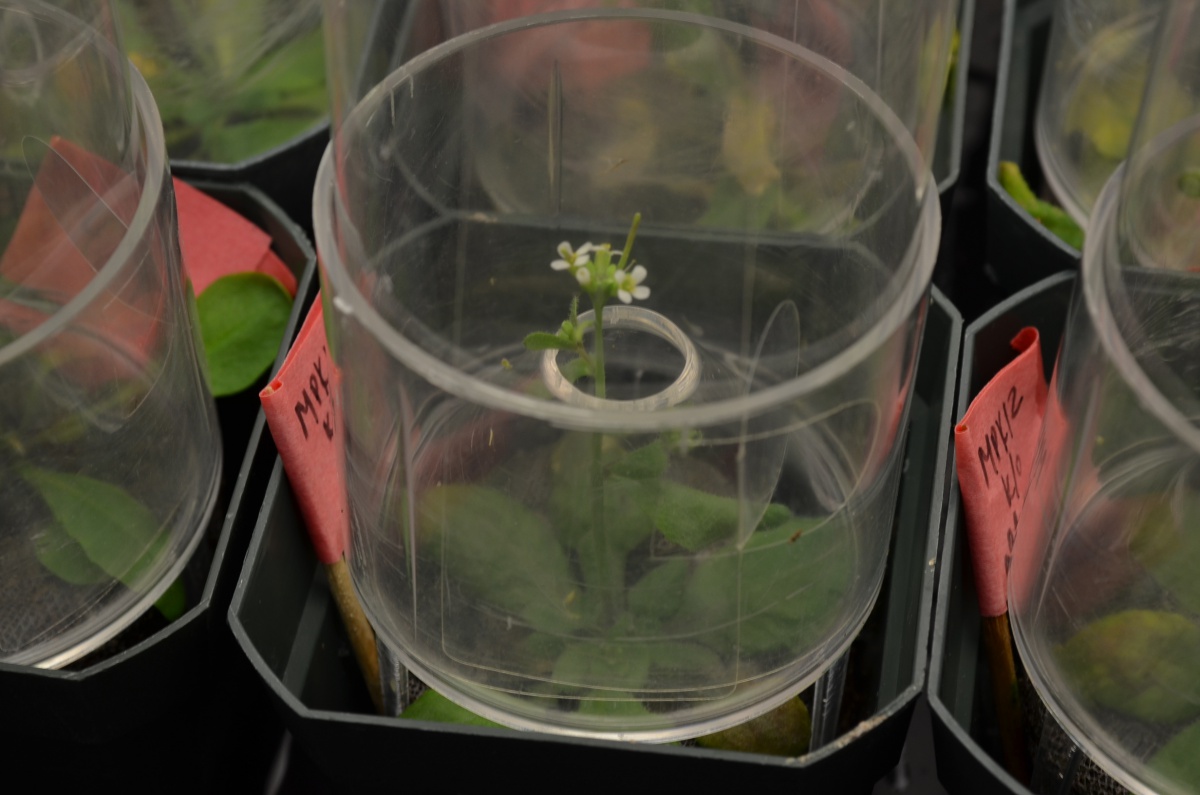
With concern about climate change growing, understanding how plants adapt to their environment has become an important focus for research. Which genes govern drought resistance? Which genes respond to weather and climate conditions? A recent study relied on programming by Weijia Xu, group leader for the data mining and statistics group at the Texas Advanced Computing Center (TACC), US, to suggest gene expression plays a significant role in a plant’s adaptation to local climate.
To arrive at this conclusion, the authors of the study looked at Arabidopsis thaliana, an edible mustard green popular with geneticists because of its relatively small genome — about 25,000 genes. The study’s scientists compared their data with over 1,000 previously gathered Arabidopsis thaliana strains, seeking a single letter among nearly 100 million DNA base pairs.
Such genomics research requires intensive computing resources, and efficient software can often make or break a research project. To reach their goal, the scientists took advantage of the iPlant Collaborative resources and the Stampede and Lonestar supercomputers at TACC. The iPlant Collaborative, which has received funding from the US National Science Foundation (NSF), aims to help life scientists manage the ever-increasing amount of biological research data.
The study team first approached Xu when he was involved with iPlant. They were using a computing workflow based on R, a well-known software environment for statistical computing. Xu had to decide whether to change the workflow or figure out some other way to help them.
“If a researcher has software, they usually go to an HPC [high-performance computing] group,” says Xu. “But many of them have never used supercomputers before, so our group helps develop applications for them.”
Xu’s group is more involved in direct collaboration with the scientists than a typical high-performance computing group. While scientists often have software tools in their arsenal to undertake the computing side of their work, behind-the-scenes experts like Xu can be critical to unlocking new discoveries by aligning the right tools with the research project.
“It’s not uncommon to find that we need to develop something new to help scientists solve their problems,” says Xu. “Sometimes they don't know what to do with the data or may be unfamiliar with the software.”
To scale up the use of R, Xu developed utilities and scripts to run the workflow in parallel. His job launcher — perhaps the key piece in the solution — uses Message Passing Interface (MPI) to break large computing jobs into smaller ones that run on the TACC supercomputers.
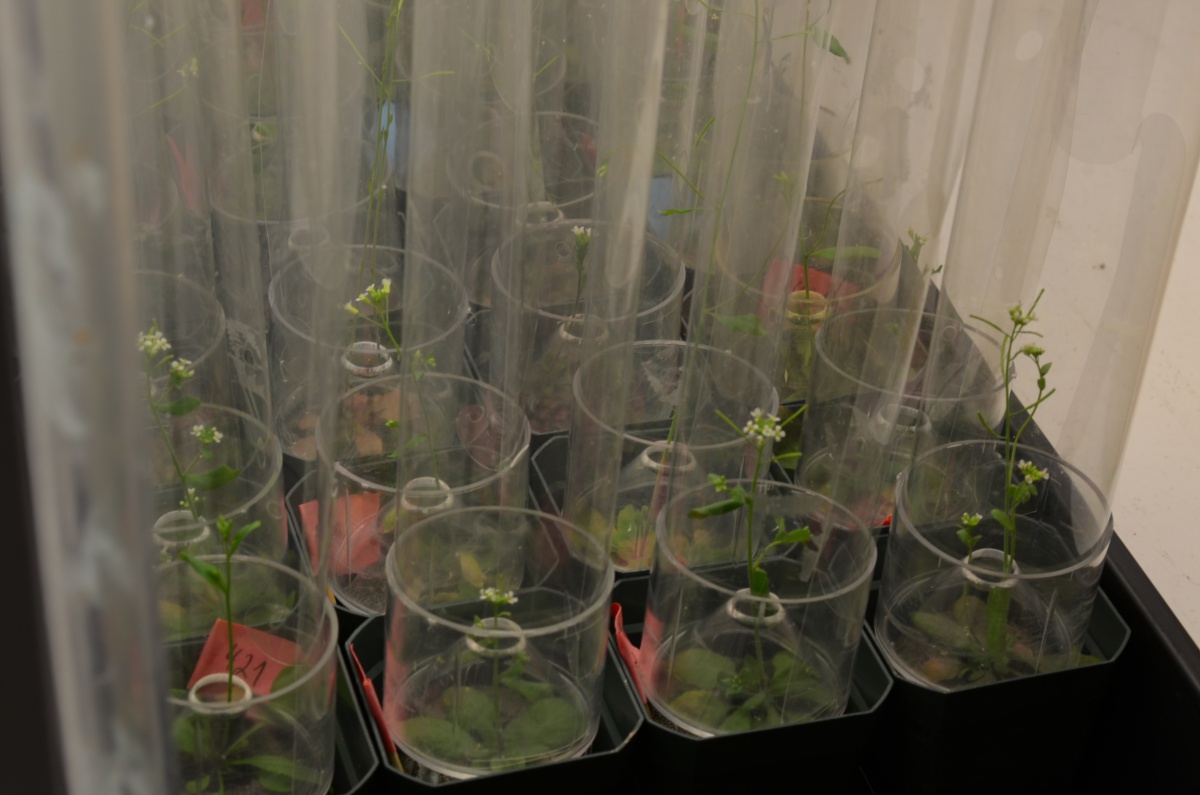
Thanks to Xu’s efforts, the study authors were able to combine lab data from grown plants with genomic analyses run on Stampede and Lonestar to better understand the association between local climate and gene expression.
“We found pretty good evidence, certainly the best evidence to date, that the evolution of gene expression is an important way that plant populations adapt to local environments,” says study co-author Jesse Lasky, an Earth Institute fellow at Columbia University.
In particular, cold and drought sensitive genes in Arabidopsis thaliana suggested the plants would be better equipped to survive climate change.
“As a plant starts to sense dropping temperatures, a cascade of gene expression can allow the plant to acclimatize to cold temperatures, and in effect prepare itself for the coming freezing conditions,” explains study co-author Thomas Juenger, a professor in the Department of Integrative Biology at The University of Texas at Austin, US.
Xu and his team benefited from their collaboration as well and can now apply the job launcher to research in other domains. “We are also working on integration between R and the latest big data processing tools such as Hadoop and Spark, to see how they can be adapted for domain scientists to run their jobs,” Xu adds. “We’re trying to get others developing more R in HPC environments.”
Finding evidence that plants can adapt to local climate through the evolution of gene expression is the latest example of what comes from partnerships between domain scientists and software experts who understand the science. Xu’s efforts increase our understanding of plant adaptation and may help us in our quest to mitigate the effects of climate change.
Read more about this study: supercomputing the evolution of a model flower
Comments
Post new comment